Azerbaijan: Where Silk Roads Meet Futuristic Skylines
Azerbaijan: Where Silk Roads Meet Futuristic Skylines
There are places that surprise you quietly, and there is Azerbaijan: a country where fire bursts naturally from the earth, where ancient mosques and medieval caravan routes cross futuristic architecture of the dazzling capital Baku, and where remote UNESCO-protected villages clinging to the clouds of the Caucasus mountains feel untouched by time.
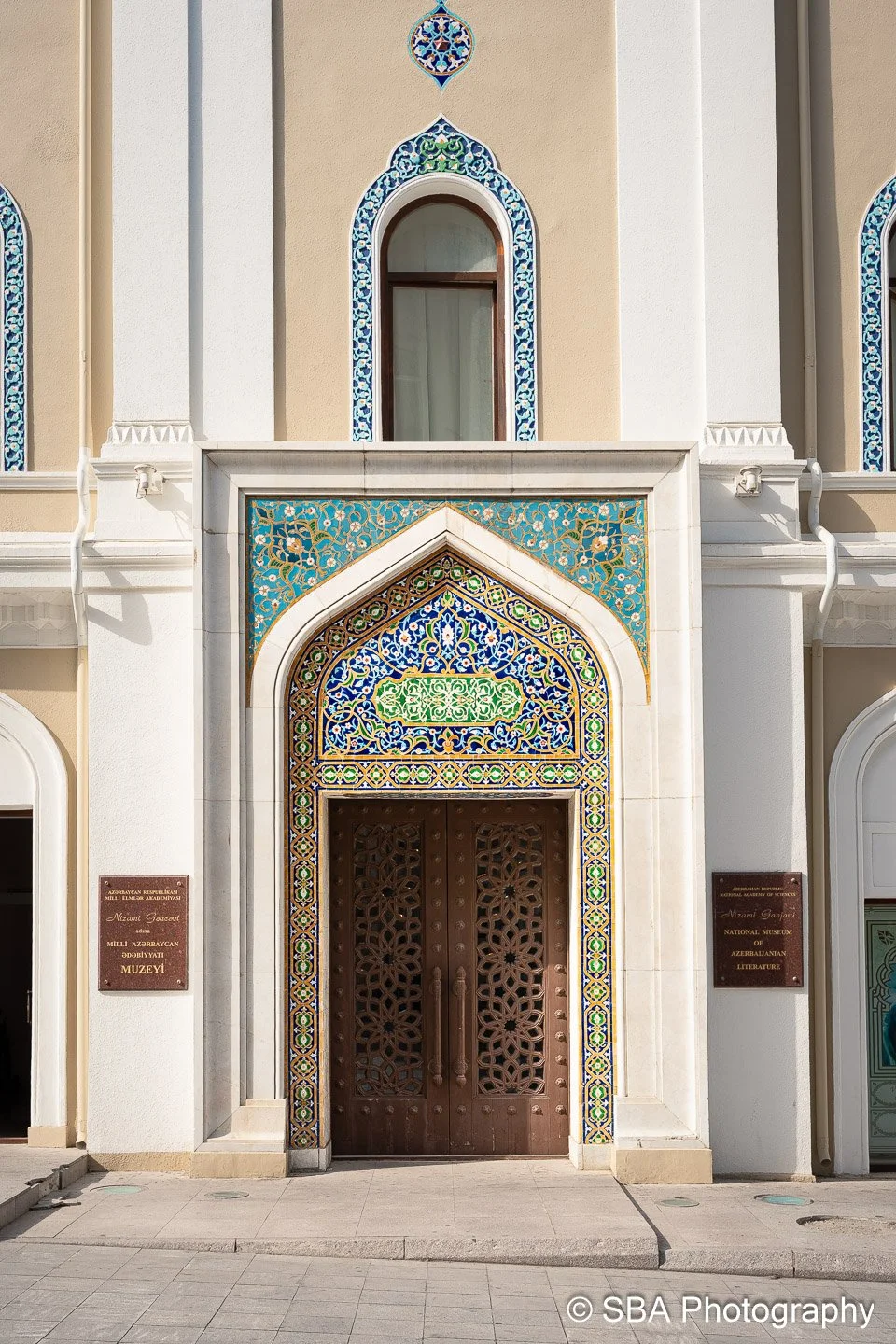
Azerbaijan’s identity is deeply tied to fire. Natural gas escaping from the earth created eternal flames that inspired early Zoroastrian worshippers. This ancient religion, centered around the symbolism of fire and purity, left a lasting mark on the country’s culture and mythology. Azerbaijan also transformed the modern world through oil: the world’s first industrial oil well was drilled near Baku in the nineteenth century. Despite its industrial history, Azerbaijani culture remains warm and traditional. Food plays a central role in daily life, with fragrant saffron rice, rich lamb dishes, fresh herbs, dolma, kebabs, and sweet pastries reflecting centuries of Persian, Turkish, and Caucasian influences.
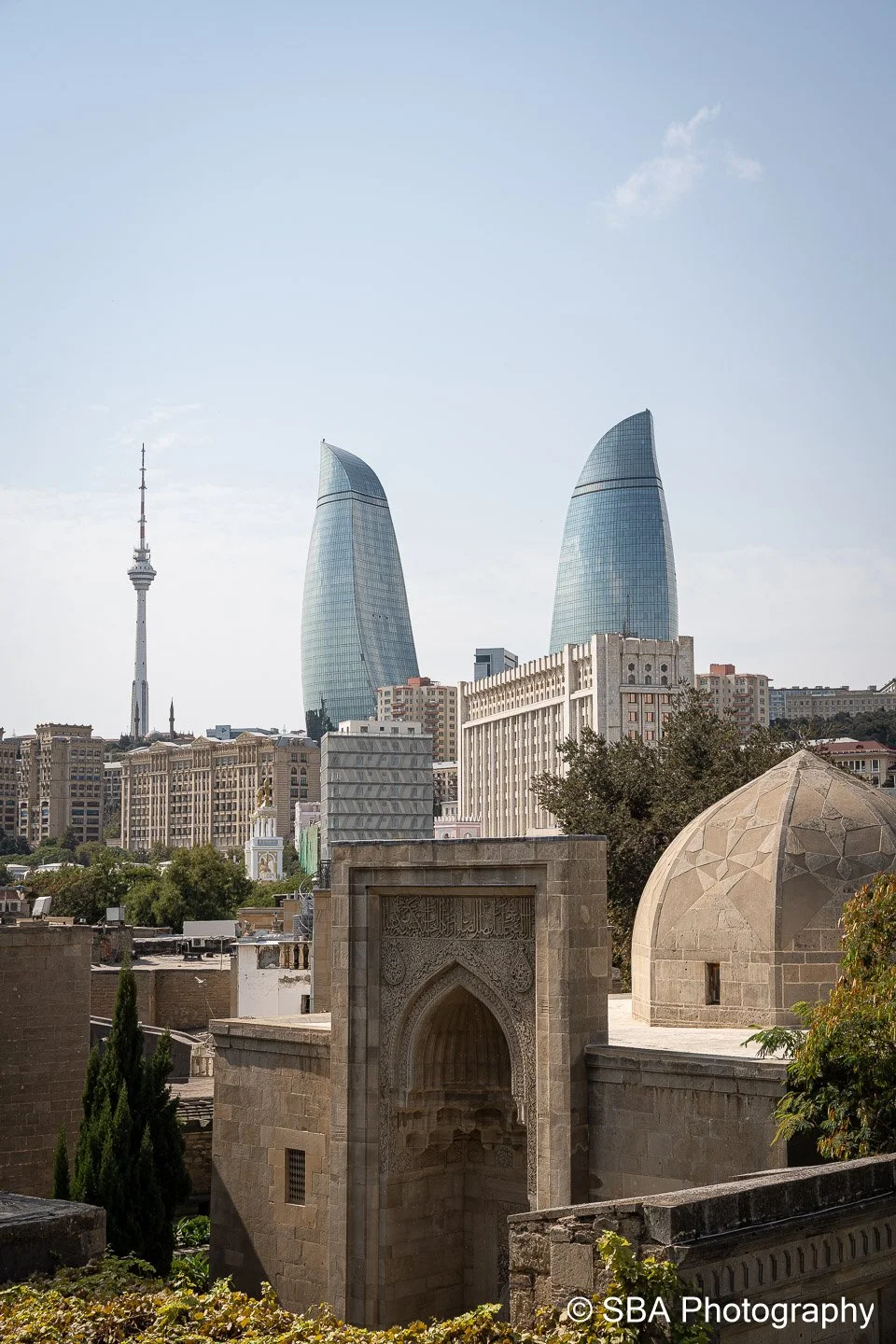
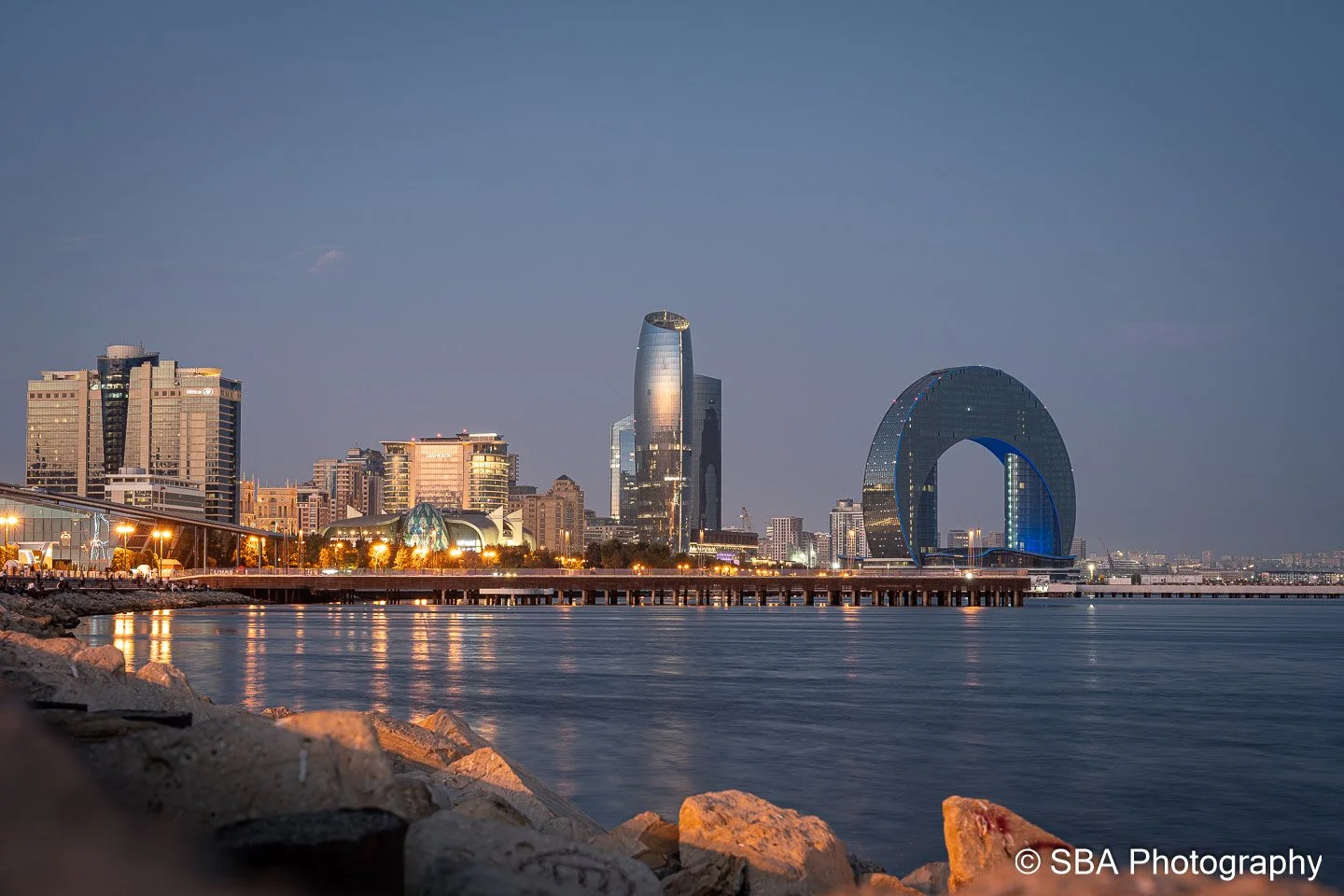
Baku is a city of contrasts where ultra-modern buildings rise beside centuries-old stone walls. The iconic Flame Towers dominate the skyline, glowing dramatically at night as a symbol of Azerbaijan’s nickname, the “Land of Fire.” Nearby, the flowing curves of the Heydar Aliyev Center, designed by architect Zaha Hadid, look unreal against the cityscape. In the historic Old City, the Palace of the Shirvanshahs reveals Baku’s medieval roots with courtyards and carved sandstone walls that whisper stories of ancient dynasties. The striking Carpet Museum, shaped like a rolled carpet, celebrates Azerbaijan’s treasured cultural traditions, while the grand Heydar Mosque stands as one of the largest mosques in the Caucasus, showcasing elegant Islamic architecture and intricate decorative details.
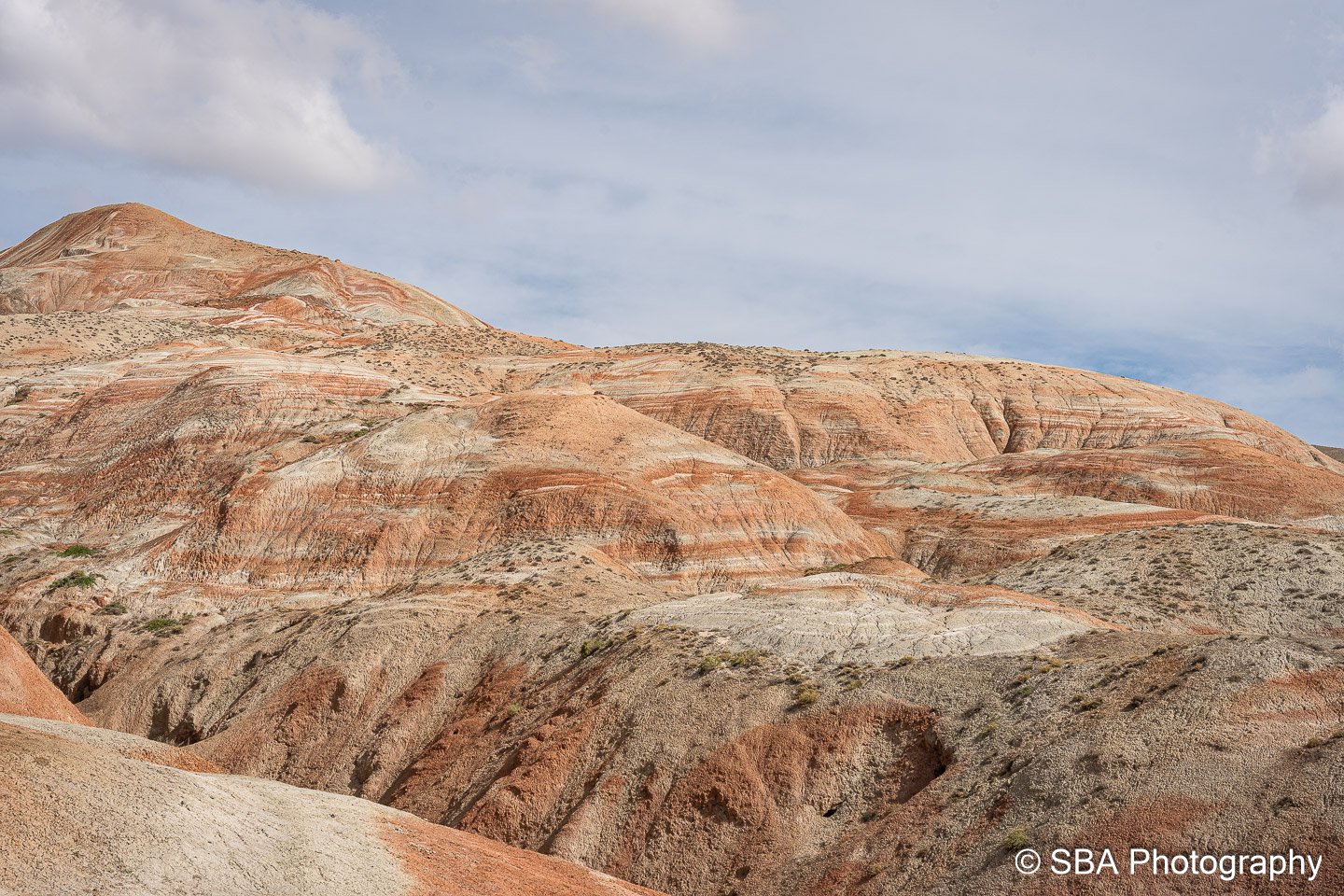
Beyond Baku’s modern skyline lies beautiful landscapes filled with historical treasures. The Candy Cane mountains exhibit astonishing colors produced by groundwater that alters the oxidation state of the iron in the earth. The Diri Baba Mausoleum, dramatically built into a cliffside near Maraza, appears almost suspended between earth and sky. In the ancient city of Shamakhi, the Jummah Mosque is one of the oldest mosques in the Caucasus and survived several earthquakes while preserving its spiritual significance. Further north, the Palace of the Sheki Khans in Sheki offers a glimpse into the luxurious world of Silk Road rulers. Its colorful stained-glass windows, delicate frescoes, and handcrafted wooden latticework make it one of Azerbaijan’s architectural masterpieces.
2180 meter above sea level lies Khinalig, one of the oldest continuously inhabited villages in the world. Reached by winding mountain roads and surrounded by dramatic peaks, the Caucasus village feels completely separated from modern life. The people of Khinalig speak their own unique language and preserve century-old traditions. Stone houses cascade down the mountain, creating a breathtaking landscape that changes color with the shifting light. The cultural heritage of Khinalig and its ancient transhumance routes has earned UNESCO recognition, protecting both the village and the traditional way of life that continues there today.
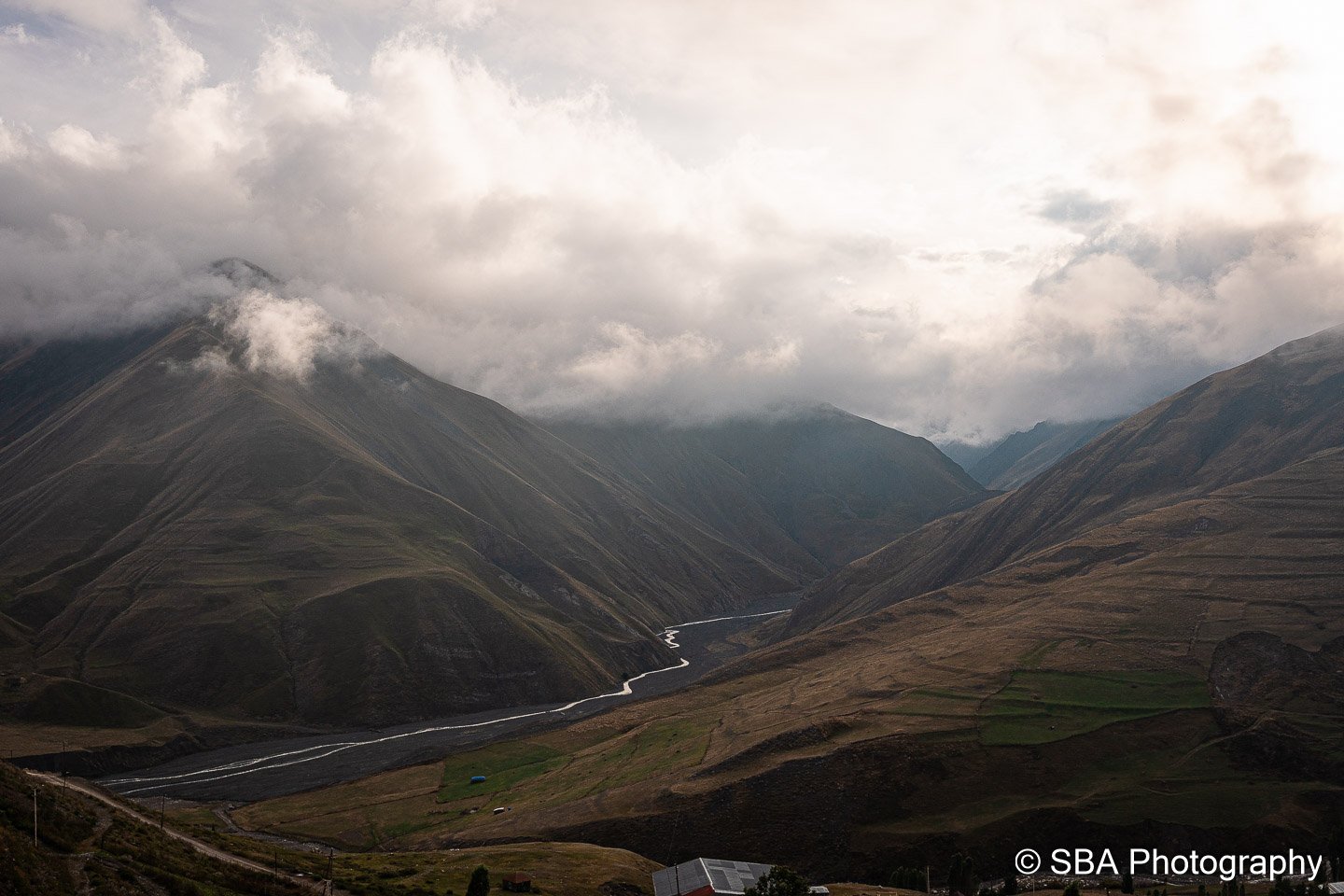
These landscapes reveal a side of Azerbaijan that many travelers never expect: wild, colorful, and remarkably untouched. Azerbaijan is a destination that constantly defies expectations. It is a place where East meets West, where ancient faiths and futuristic visions coexist. Whether wandering through the illuminated streets of Baku, drinking tea in a mountain village, or standing in front of striped mountains and sacred peaks, Azerbaijan is one of the most underrated destinations in the world.